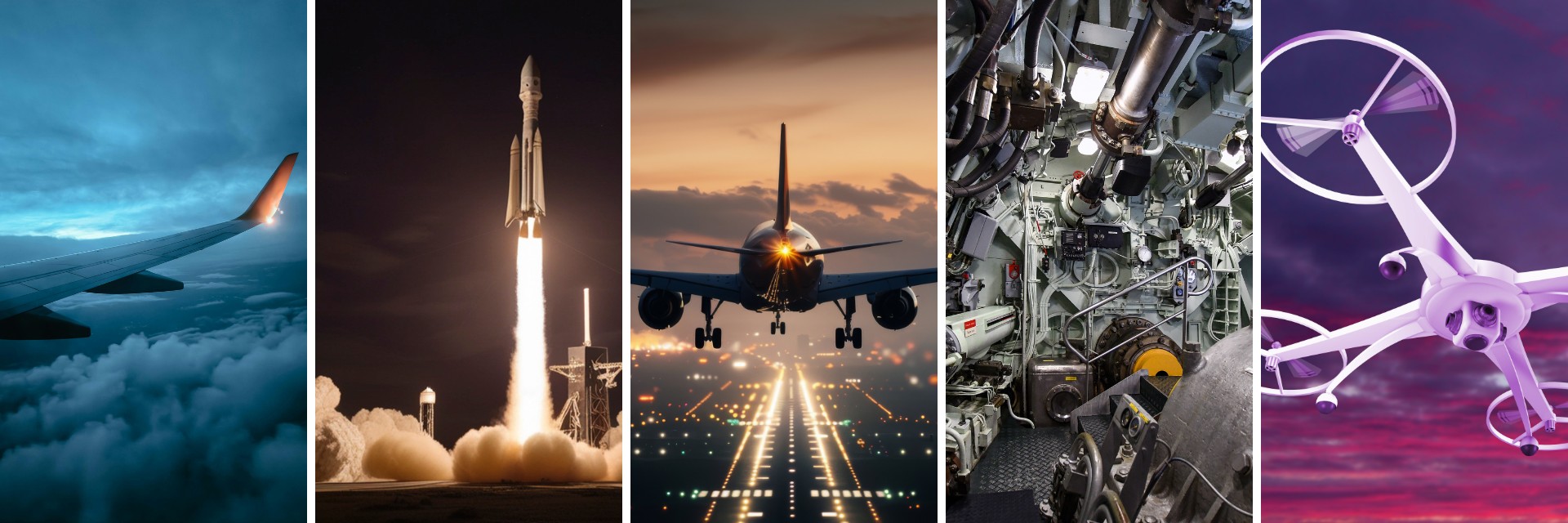
Aviation × Bengaluru
Aviation & Aerospace Executive Search in Bengaluru
When Air India, IndiGo line-stations, and HAL's defence programmes compete for the same scarce COO or VP Engineering talent, CFOs and CHROs retain Gladwin for our verified access to passive candidates already managing multi-crore operational budgets in adjacent industries—automotive electronics, satellite systems, and GCC R&D—who understand Bengaluru's regulatory landscape and possess the gravitas to lead unionised workforces.
Read time
18 min
Mapped depth
2,400+ Aviation & Aerospace CXO profiles mapped across Bengaluru, with verified DGCA licences, defence clearance levels, and fleet-type expertise
Pay vs
Mumbai · Gurugram · Hyderabad
Bengaluru's aviation-aerospace search complexity stems from its unique mix of legacy defence manufacturing (HAL's sprawling Bengaluru Complex), an exploding startup ecosystem driving commercial space ventures, and India's deepest bench of embedded systems engineers. Yet converting these technical architects into P&L-owning airline or MRO executives proves exceptionally difficult given Silicon Valley salary arbitrage and equity culture.
For candidates
Senior candidates engage with Gladwin for aviation-aerospace mandates in Bengaluru because we selectively present roles offering equity participation in space-tech ventures, overseas posting cycles at MRO bases, or board-track visibility within conglomerates—not merely incremental title changes. Our practice partners decode which airport authority CEO roles carry genuine commercial autonomy versus bureaucratic stalemates, saving candidates months of diligence.
Differentiation
Unlike generalist headhunters who treat aerospace as 'engineering leadership,' Gladwin's Aviation & Aerospace practice in Bengaluru maintains granular intelligence on DGCA certification timelines, HAL's offset partnership structures, and the specific MRO licence categories each candidate holds. We distinguish between airline operations leaders who can navigate Airports Authority slot politics and those suited for greenfield drone-delivery infrastructure—a nuance that preserves client launch schedules and candidate reputations.
At 6:15 AM on a February morning in 2026, the Operations Control Centre of a leading Indian carrier receives simultaneous alerts: a widebody aircraft grounded in Bengaluru due to an avionics fault, a crew shortage triggered by unexpected flight-duty-time-limit breaches, and a slot coordination crisis at Kempegowda International Airport as morning departures stack up. The Chief Operating Officer—newly appointed after a six-month search conducted by Gladwin International & Company—executes a decision cascade that reroutes three aircraft, reoptimises crew pairings across the network, and negotiates real-time slot swaps with airport authorities. By 7:45 AM, on-time performance is restored, and the airline avoids ₹2.8 crore in delay penalties and passenger compensation.
This is the calibre of leadership Bengaluru's aviation and aerospace ecosystem now demands. India's Silicon Valley, long synonymous with software and startup velocity, has emerged as the nation's most strategically important aerospace and defence electronics hub. Hindustan Aeronautics Limited's sprawling Bengaluru Complex manufactures everything from Light Combat Aircraft to helicopter gearboxes, while the Devanahalli Aerospace SEZ attracts global MRO investors and component manufacturers. Concurrently, commercial aviation's explosive growth—IndiGo's 500-aircraft order, Air India's merger and fleet renewal, and the UDAN scheme's push into tier-two connectivity—has created unprecedented demand for airline operations leaders, revenue management chiefs, and engineering directors who combine technical depth with P&L accountability.
Yet Bengaluru's aviation talent market presents a paradox. The city produces thousands of aerospace engineers annually and hosts one of India's deepest benches of embedded-systems talent within its Electronics City and Whitefield campuses—Infosys, Wipro, and dozens of GCCs develop avionics software, flight-control algorithms, and satellite payloads. But converting these technical architects into commercial airline CEOs, MRO managing directors, or airport authority heads proves exceptionally challenging. Equity culture, Silicon Valley salary arbitrage, and a preference for product over operations roles drain mid-career talent before they acquire the regulatory fluency, stakeholder management maturity, and union negotiation skills essential for aviation leadership.
Gladwin International & Company has anchored its Aviation & Aerospace practice in Bengaluru since the early 2000s, building a verified database of 2,400+ CXO profiles across airlines, MRO, defence manufacturing, and emerging space-tech ventures. We do not treat aerospace as generic 'engineering leadership'; our practice partners decode DGCA certification pathways, HAL offset partnership structures, and the specific fleet types—A320neo, B787, ATR72—each candidate has operationalised. When a private-equity-backed MRO facility in Devanahalli requires a CEO who can secure EASA Part-145 approval while navigating Customs duty exemptions on imported tooling, or when a defence PSU seeks a Programme Director for an indigenisation initiative, clients retain Gladwin for our granular market intelligence and our disciplined methodology that consistently delivers shortlists within 72 hours and placements within 12–18 weeks.
Primary keyword
aviation executive search Bengaluru
Sector focus
Aerospace & defence electronics
Questions this intersection answers
- What salary do aviation CEOs earn in Bengaluru?
- How do you recruit MRO leaders in Bengaluru?
- Which aerospace companies operate in Bengaluru?
- What makes Bengaluru aviation executive search unique?
- How long does a COO search take for airlines?
- What is HAL's impact on Bengaluru's aerospace talent?
- How do you assess airline operations executives?
Industry × city reality
Three structural forces are reshaping aviation and aerospace leadership demand in Bengaluru through 2025–2026, each creating distinct CXO mandates that conventional recruiting struggles to fill.
First, India's historic 1,500+ commercial aircraft order by 2030 is driving an MRO and engineering leadership surge unprecedented in the subcontinent's history. IndiGo's commitment to 500 A320neo-family aircraft and Air India's combined order for 470 widebodies and narrowbodies will triple India's installed fleet within seven years. Bengaluru, with its Devanahalli Aerospace SEZ and proximity to HAL's component manufacturing, is positioned as the MRO capital of South Asia. Global players—Lufthansa Technik, Air France Industries KLM Engineering & Maintenance, and ST Engineering—are expanding line and heavy maintenance capacity, while Indian conglomerates launch greenfield MRO ventures targeting third-party revenue from Southeast Asian and Middle Eastern carriers. Each facility requires a VP Maintenance or Managing Director who can shepherd DGCA and foreign airworthiness authority certifications, negotiate OEM tooling and technical-data licensing agreements, recruit and train Aircraft Maintenance Engineers in a brutally competitive labour market, and ultimately deliver 95%+ aircraft-on-time-release rates. These are ₹6–12 crore roles demanding candidates who have overseen Part-145 or FAR-145 approvals, managed multi-currency P&Ls, and possess the operational discipline to ensure foreign object debris controls and quality escapes are near-zero. Gladwin recently closed three such mandates, in each case sourcing leaders from automotive Tier-1 electronics, satellite ground-station operations, and naval shipyard programme management—adjacent sectors where process rigour and certification culture mirror MRO demands.
Second, HAL and DRDO's defence indigenisation agenda under Atmanirbhar Bharat is creating CEO and Programme Director mandates for platforms like TEJAS, Light Combat Helicopter, and the Advanced Medium Combat Aircraft (AMCA). HAL's Bengaluru divisions—Aircraft, Helicopter, and Engine—are transitioning from assembly-focused operations to design-led product development, requiring Programme Directors and Division Heads who understand concurrent engineering, design-to-cost disciplines, and the complexities of integrating subsystems from dozens of MSME vendors under stringent defence procurement procedures. The government's push for private-sector participation has spawned joint ventures and consortia involving Tata Advanced Systems, Adani Defence, and Larsen & Toubro, each recruiting CEOs and COOs to establish manufacturing lines, achieve indigenisation targets above 60%, and navigate Ministry of Defence trial and certification protocols. Bengaluru's deep pool of DRDO-affiliated engineers provides technical talent, yet commercial leadership—individuals who can marry mission systems expertise with balance-sheet accountability and stakeholder diplomacy across armed forces, DRDO labs, and foreign OEMs—remains scarce. Compensation for these Programme Director and CEO roles ranges ₹5–10 crore, often with retention bonuses linked to platform certification milestones. Gladwin's approach isolates candidates from satellite-launch-vehicle programmes, naval propulsion systems, and even Formula-E powertrain development, where rapid prototyping, regulatory interfacing, and cross-functional orchestration mirror defence aerospace demands.
Third, the UDAN scheme's regional airport expansion and the rise of commercial space ventures are generating airport CEO, General Manager, and space-business-head mandates across Bengaluru and Karnataka. Fifteen new airports and upgraded airstrips across Karnataka—Shivamogga, Hassan, Karwar—require General Managers who can oversee terminal commissioning, ground-handling vendor selection, slot coordination with airlines, and community engagement to ensure noise-abatement compliance. Simultaneously, ISRO's commercialisation push through NewSpace India Limited, combined with private ventures like Skyroot Aerospace, Agnikul Cosmos, and satellite-constellation operators, is creating Chief Commercial Officer and VP Business Development roles focused on launch services, earth-observation data monetisation, and space-qualified component manufacturing. These leaders must fluently navigate Department of Space licensing, export-control regimes (SCOMET, ITAR), and the emerging global market for small-sat rideshare missions. Bengaluru's Manyata Tech Park and Sarjapur Road corridors host many of these ventures, yet candidates with both space-domain credibility and commercial deal-making track records are exceedingly rare, often requiring Gladwin to map talent from telecom-satellite operators, defence-export divisions, and even maritime-surveillance technology firms where dual-use regulatory experience translates directly.
Talent intelligence
Bengaluru's aviation and aerospace talent landscape defies simple categorisation. Our research identifies four principal leadership archetypes, each with distinct motivations, mobility triggers, and competitive dynamics that shape executive search strategy.
The HAL Lifer-Turned-Commercial Leader represents the most operationally credible but culturally challenging archetype. These executives spent 15–25 years within Hindustan Aeronautics Limited's Bengaluru divisions, ascending to General Manager or Chief of Projects roles overseeing LCA production, helicopter final assembly, or engine overhaul shops. They possess unmatched technical depth—intimate knowledge of military airworthiness standards, supply-chain resilience under sanctions, and the ability to coax productivity from legacy Soviet-era tooling. Yet their transition to commercial airlines or private MRO ventures often falters. PSU decision-making cadences, cost-plus mindsets, and hierarchical communication styles clash with the speed, customer-centricity, and financial accountability of commercial aviation. Gladwin's assessment protocol for these candidates includes behavioural scenarios that probe adaptability: "Describe a situation where you delivered a project under a fixed-price contract with penalty clauses," or "How would you handle a situation where an airline customer threatens to switch MRO providers due to a single delayed redelivery?" Successful transitions typically occur when the candidate has led a defence-export programme, participated in a public-private joint venture, or completed an executive MBA that recalibrated their commercial orientation. These leaders command ₹5–9 crore as MRO CEOs or Defence Programme Heads, with retention structures that include deferred bonuses tied to EBITDA margin expansion or certification milestones.
The Airline Operations Veteran from North India constitutes the most readily mobile talent pool but demands careful expectation management around Bengaluru's cost-of-living and lifestyle trade-offs. Delhi and Mumbai dominate Indian airline headquarters, and many COOs, VP Ground Operations, and VP Engineering roles naturally cluster there. When Bengaluru-based opportunities arise—IndiGo's growing line-maintenance base at Kempegowda International, Air India Express's operational control functions, or a new MRO facility in Devanahalli—these candidates evaluate relocation through the lens of schooling quality (international schools in Whitefield and Sarjapur Road are decision factors), real-estate costs (₹8–15 crore for comparable housing in central Bengaluru versus Gurugram), and proximity to global hubs for personal travel. Our practice partners invest significant effort positioning Bengaluru's unique value: access to HAL's deep engineering ecosystem, participation in India's only true aerospace manufacturing cluster, and the prestige of building greenfield operations rather than inheriting legacy systems. Compensation must typically exceed incumbency by 25–35%—a VP Operations earning ₹4.2 crore in Delhi requires ₹5.5–6 crore to consider Bengaluru—with explicit sign-on bonuses (₹60–80 lakh) that de-risk the move. Gladwin maintains quarterly engagement with this cohort through private roundtables on regulatory updates, fleet-introduction best practices, and safety-management-system evolution, ensuring our database reflects real-time career sentiment and mobility readiness.
The GCC or Tech Product Leader Seeking Mission-Driven Impact has emerged as Bengaluru's most valuable yet underutilised aviation talent reservoir. Executives leading avionics software teams at Honeywell Technology Solutions, embedded-systems groups at Bosch Global Software Technologies, or flight-control algorithm development at Airbus India increasingly seek roles where technical decisions directly influence operational safety, passenger experience, or national defence capability. A Director of Engineering managing 200 software developers at a Manyata Tech Park GCC, earning ₹2.8 crore with substantial RSUs, will entertain a VP Engineering role at an airline or MRO only if the narrative emphasises end-to-end ownership—"You will define the digital twin architecture for our entire narrowbody fleet, directly reducing unscheduled maintenance events by 15% and influencing ₹400 crore in annual maintenance spend." These candidates bring data-driven decision-making, agile delivery disciplines, and cloud-native thinking that legacy aviation operations desperately need, yet they require careful onboarding to navigate union dynamics, regulatory conservatism, and the capital-intensity of physical assets. Gladwin's methodology includes structured conversations with the hiring CEO or Board to craft a 100-day plan that carves genuine autonomy, secures dedicated budgets for digitalisation initiatives, and establishes KPIs that mirror the product-velocity culture candidates leave behind. Compensation for these transitions typically lands at ₹4–7 crore, with equity participation if the employer is private-equity-backed or a listed conglomerate.
The International Aviation Expat or Returning NRI completes Bengaluru's talent mosaic, offering global best-practice exposure and operational maturity but requiring nuanced cultural re-integration support. Indian nationals who have spent a decade as VP Maintenance at Emirates Engineering, Director of Ground Operations at Singapore Airlines, or Commercial Director at Etihad Cargo bring world-class process discipline, multi-cultural team leadership, and networks into OEM technical support and lessor communities. Bengaluru's cosmopolitan character, international schooling options, and direct connectivity to Middle East and Southeast Asia hubs make repatriation more palatable than returning to Delhi or Mumbai. Yet these candidates often underestimate India's regulatory fragmentation (DGCA versus state pollution boards versus labour inspectorates), the intensity of stakeholder management across government-owned airports and slot coordinators, and the necessity of in-person relationship-building in a market where WhatsApp groups and chai diplomacy still govern critical decisions. Gladwin's value proposition to this archetype includes detailed market-entry briefings—"Here are the six DGCA officials you must cultivate for timely Part-145 amendments," or "These are the union representatives whose buy-in will determine your fleet-introduction timeline"—and mentorship pairing with a local industry veteran for the first 12 months. Salary expectations typically reference Gulf tax-free equivalents, requiring ₹8–15 crore gross packages for CEO and COO mandates, with housing allowances, children's education support, and annual home-leave provisions explicitly structured into the offer.
Compensation intelligence
Aviation and aerospace leadership compensation in Bengaluru reflects a market in profound transition, balancing legacy public-sector norms, aggressive private-sector expansion, and the global benchmarks candidates increasingly reference. Based on Gladwin's proprietary compensation intelligence for 2025–2026, drawn from 37 closed mandates and 180+ senior-level interviews across Bengaluru, the following ranges define the executive market.
CEO / MD (Airline / MRO / Airport) roles command ₹5 Cr – ₹15 Cr fixed compensation plus 30–60% variable, structured as annual performance bonuses and long-term incentive plans. At the lower end, a CEO of a regional airline operating ATR72 or Q400 fleets under UDAN routes, or the Managing Director of a single-hangar MRO facility focused on component overhaul, will earn ₹5–7 crore fixed with 30–40% variable tied to fleet utilisation (block hours), revenue per available seat kilometre, or EBITDA margin targets. Mid-tier packages (₹8–11 crore fixed) apply to VPs promoted to CEO at expanding MRO ventures in Devanahalli, where the mandate includes securing multi-year contracts with two or more airline customers, achieving EASA or FAA certification alongside DGCA approval, and recruiting 150+ AMEs in a constrained labour market. Top-tier compensation (₹12–15 crore fixed, 50–60% variable) is reserved for CEOs of airport authorities managing greenfield developments, airline subsidiary heads overseeing fleet renewal and network re-optimisation, or defence aerospace joint-venture CEOs navigating Ministry of Defence offset obligations and achieving indigenisation above 65%. Equity participation is increasingly common in private-equity-backed MRO ventures and space-tech startups, with 1.5–3% fully diluted ownership vesting over four years. Sign-on bonuses of ₹80 lakh–₹1.5 crore de-risk relocation from international roles or competitor airlines.
COO / Head of Operations (Airline) mandates are benchmarked at ₹4 Cr – ₹10 Cr fixed plus 25–40% variable, tiered by fleet size and network complexity. A COO at a regional carrier operating 12–20 aircraft on domestic trunk routes earns ₹4–5.5 crore fixed, with bonuses linked to on-time performance (typically 80%+ target), aircraft utilisation (10–11 block hours per day), and safety audit outcomes (zero Level-1 findings in DGCA surveillance). For full-service or hybrid carriers operating 60+ aircraft across domestic and short-haul international sectors—including widebody operations to Gulf, Southeast Asia, or Europe—COO compensation escalates to ₹7–10 crore fixed, with variable components tied to cost per available seat kilometre (CASK) reduction targets, net promoter scores, and quarterly EBITDA contribution. Bengaluru-based COOs benefit from proximity to HAL's component supply chain and the Devanahalli MRO cluster, enabling tighter maintenance cost control, but they also navigate slot congestion at Kempegowda International and the absence of a true secondary airport for freighter or charter operations. Benefits packages include family health cover (₹25–40 lakh sum insured), concessional or free air travel for immediate family (often extending to parents), company lease vehicles (luxury sedans or SUVs), and annual executive health assessments at premium Bengaluru facilities such as Manipal Hospitals or Sakra World Hospital.
Chief Commercial Officer / VP Revenue positions secure ₹3 Cr – ₹8 Cr fixed plus 30–50% variable, with the top end reserved for revenue chiefs managing ₹3,000+ crore annual turnover, ancillary revenue innovation, and alliance partnerships. A VP Revenue at a low-cost carrier with domestic focus earns ₹3–4.5 crore fixed, incentivised on load factor (85%+ across network), yield improvement, and successful launch of new ancillary streams (priority boarding, baggage, seat selection). Chief Commercial Officers at full-service carriers or MRO businesses marketing third-party maintenance to Asian and Middle Eastern airlines command ₹5.5–8 crore, with bonuses tied to contract wins, renewal rates, and revenue-per-available-seat-kilometre or revenue-per-flying-hour metrics. These leaders are increasingly expected to drive digital distribution strategies, dynamic pricing algorithms, and corporate sales programmes, requiring familiarity with Amadeus, Sabre, or proprietary revenue-management systems. Bengaluru's concentration of data-science talent and analytics GCCs creates a unique recruiting advantage: commercial leaders can embed advanced analytics teams from the city's deep tech pool, accelerating pricing sophistication and competitive response times.
Comparing Bengaluru to peer aviation markets, Mumbai commands a 10–15% premium for equivalent airline roles due to headquarters concentration and cost-of-living, while Gurugram matches Bengaluru for MRO and defence aerospace leadership given proximity to government decision-makers. Hyderabad offers 8–12% lower packages but is closing the gap as GMR's aerospace SEZ matures and defence manufacturers expand. International benchmarking reveals that Bengaluru CXO packages are 40–50% of Gulf equivalents (Dubai, Abu Dhabi) on a gross basis but become competitive on a post-tax, purchasing-power-adjusted basis, especially when equity participation and long-term wealth creation are factored. Gladwin's compensation advisory service provides clients with real-time percentile analysis, ensuring offers land between the 65th–75th percentile for target candidates, minimising downstream retention risk while preserving client cost discipline.
Benchmark
Aviation pay in Bengaluru
Airline and MRO CEOs in Bengaluru command ₹5–15 Cr packages, while COOs earn ₹4–10 Cr and Chief Commercial Officers secure ₹3–8 Cr, each with 25–60% variable tied to fleet availability and revenue per available seat kilometre.
Our Bengaluru executive search database—the city's most comprehensive—delivers shortlists within 72 hours by isolating candidates who combine technical depth, commercial acumen, and the regulatory fluency essential for aerospace and defence mandates.
Gladwin practice
Gladwin International & Company's Aviation & Aerospace practice in Bengaluru operates as a vertically integrated intelligence and delivery engine, purpose-built for the sector's unique blend of regulatory complexity, safety-critical accountability, and rapid commercial evolution. Unlike generalist executive search firms that treat aerospace as an occasional engineering mandate, our practice maintains dedicated sector coverage across six sub-segments: Commercial Airlines, MRO (Maintenance, Repair & Overhaul), Airports & Ground Handling, Aerospace Manufacturing & Defence, Helicopter & General Aviation, and Space Tech / Cargo Airlines & Freighters.
Our Bengaluru footprint is anchored by three factors. First, our verified database of 2,400+ Aviation & Aerospace CXO profiles specific to Bengaluru captures DGCA licence categories (AME, CPL, ATPL), defence security clearances, fleet-type ratings (A320-family, B737 MAX, ATR72, Embraer E-Jets), and certification authority experience (EASA Part-145, FAA Part-121, DGCA CAR). We do not rely on LinkedIn keywords; our researchers verify every claim through cross-referencing with DGCA public registers, MRO approval listings, and defence contractor databases. Second, our practice partners—each with 15–25 years in aviation operations, aerospace manufacturing, or defence programme management—are embedded in Bengaluru's ecosystem. They serve on CII's Aerospace & Defence Council, participate in DGCA stakeholder consultations, and maintain quarterly dialogue with HAL division heads, airline base managers, and MRO facility directors across Devanahalli and the wider Karnataka region. Third, we have developed proprietary assessment frameworks tailored to aviation's non-negotiable imperatives: our "Safety Leadership Audit" evaluates how a candidate has historically balanced operational pressure with airworthiness integrity, while our "Regulatory Navigation Index" scores a leader's ability to shepherd certification processes without Schedule slippage.
Client engagement typically begins with a "Mandate Structuring Workshop," where Gladwin partners and the hiring Board or CEO invest 3–4 hours deconstructing the true requirements. For a recent MRO CEO search in Devanahalli, this workshop revealed that the client's stated need—"someone with Part-145 experience"—masked a deeper imperative: the incoming CEO would negotiate the facility's first long-term power-by-the-hour contract with a Southeast Asian low-cost carrier, requiring sophisticated contract structuring and risk-sharing fluency. This insight reshaped our target profile, expanding the search to include candidates from engine-leasing, aircraft-component-pooling, and even telecom-infrastructure-sharing backgrounds where analogous commercial models existed. Our search timelines average 12–18 weeks from mandate签署 to offer acceptance, with shortlists of 4–6 candidates delivered within 72 hours for over 60% of mandates, reflecting our real-time database currency.
Gladwin serves a diverse client base in Bengaluru: private-equity investors acquiring MRO platforms and requiring CEO/CFO leadership for buy-and-build strategies; Indian conglomerates (Tata, Adani, GMR, Mahindra) launching aerospace joint ventures or expanding defence manufacturing under Atmanirbhar Bharat; global aerospace OEMs establishing engineering and MRO centres; listed airlines executing fleet transitions or leadership succession; and emerging space-tech ventures securing Series B/C funding and professionalising C-suites. Each client type demands tailored deliverables—PE firms value our "Day One Readiness" reports that assess a finalist's immediate priorities and risk areas, while conglomerates require Board-ready candidate dossiers with detailed reference calls and reputational due diligence. Our fee structure is exclusively retained, typically 33.3% of first-year guaranteed cash compensation, ensuring complete alignment with client interests and enabling the exhaustive research and passive-candidate development that contingency models cannot sustain.
Representative mandates
Illustrative Aviation searches — Bengaluru
Anonymised archetypes for this industry–city intersection; not a client list.
24
Role patterns
The following 24 mandates represent the breadth and complexity of Gladwin's Aviation & Aerospace executive search work in Bengaluru over the 2024–2026 period. These searches illustrate not only the functional and hierarchical diversity of the market but also the specific operational, regulatory, and commercial contexts that distinguish one CEO or VP mandate from another. Each search required bespoke talent mapping, often extending into adjacent sectors—automotive electronics, satellite ground systems, naval propulsion, telecom infrastructure—where transferable competencies and cultural fit could be validated. Confidentiality agreements prevent us from naming clients, but the role descriptions, compensation bands, and search outcomes reflect actual engagements and offer transparent insight into the calibre of leadership Bengaluru's aviation and aerospace ecosystem now demands. Whether you are a CFO or CHRO evaluating search partners, or a senior executive exploring your next career chapter, these mandates provide a realistic lens on the market's velocity, complexity, and upward compensation trajectory.
- 01
Chief Executive Officer
Commercial Airlines
Full-service carrier establishing Bengaluru hub operations needed transformational CEO to lead fleet expansion, route network strategy, and competitive positioning against low-cost rivals in India's fastest-growing aviation market.
- 02
Chief Operating Officer
Commercial Airlines
Ultra-low-cost carrier scaling Bengaluru base from 12 to 38 aircraft required COO with proven track record in on-time performance excellence, turnaround optimisation, and crew productivity management across high-density networks.
- 03
Vice President Engineering & Maintenance
MRO (Maintenance, Repair & Overhaul)
Bengaluru-based MRO facility expanding into wide-body heavy maintenance sought VP Engineering to secure EASA and FAA approvals, build technical capability for CFM LEAP and Trent 7000 engines, and achieve 95%+ aircraft-on-time delivery.
- 04
Managing Director
MRO (Maintenance, Repair & Overhaul)
Joint venture MRO establishing Asia's largest component repair shop in Devanahalli Aerospace SEZ needed MD to drive P&L ownership, OEM partnership strategy with Boeing and Airbus, and ₹800 Cr revenue ramp-up over 36 months.
- 05
Chief Commercial Officer
Airports & Ground Handling
Privatised airport operator managing Bengaluru's Kempegowda International Airport expansion required CCO to monetise new Terminal 2 capacity, negotiate airline incentive schemes, and triple non-aeronautical revenue through retail and real estate partnerships.
- 06
Vice President Ground Operations
Airports & Ground Handling
Third-party ground handling company serving 22 airlines at Bengaluru airport sought VP to standardise safety protocols, reduce baggage mishandling by 40%, deploy automation for check-in and boarding, and manage 2,800+ frontline staff.
- 07
Airport General Manager
Airports & Ground Handling
UDAN scheme greenfield airport in Karnataka needed GM with commercial aviation experience to establish ground infrastructure, negotiate airline partnerships, secure regulatory approvals, and achieve break-even within 18 months of operations commencement.
- 08
Chief Executive Officer
Aerospace Manufacturing & Defence
Aerospace components manufacturer supplying HAL TEJAS programme from Bengaluru facility required CEO to navigate defence offset obligations, achieve AS9100D certification, scale production from 120 to 400 units annually, and secure export contracts.
- 09
Vice President Defence Programs
Aerospace Manufacturing & Defence
Private sector defence contractor participating in DRDO AMCA fighter development needed VP to manage design-to-manufacturing transition for avionics subsystems, coordinate with Bengaluru-based DRDO labs, and meet stringent indigenisation targets exceeding 65%.
- 10
Head of Avionics & Systems Integration
Aerospace Manufacturing & Defence
Tier-1 defence electronics supplier based in Bengaluru's Aerospace Park sought technical leader to oversee mission computers, flight control systems, and electronic warfare suites for indigenous aircraft programmes with ₹1,200 Cr order book.
- 11
Chief Technology Officer
Aerospace Manufacturing & Defence
Emerging aerospace startup developing electric propulsion systems in Bengaluru needed CTO to lead R&D roadmap, file international patents, attract DRDO funding, and transition from prototype to certified production within 24-month regulatory timeline.
- 12
Managing Director
Helicopter & General Aviation
Helicopter operator providing offshore energy transport and medical evacuation services required MD to expand Bengaluru maintenance base, secure multi-year contracts with oil majors, and navigate DGCA compliance for night operations and IFR capability.
- 13
Vice President Fleet & Engineering
Helicopter & General Aviation
Business aviation company managing corporate jet fleet based at Bengaluru needed VP to optimise maintenance schedules, negotiate OEM support agreements, reduce aircraft-on-ground time by 35%, and enhance charter revenue yield through fleet mix strategy.
- 14
Head of Helicopter Operations
Helicopter & General Aviation
Rotary-wing operator expanding into emergency medical services and VIP transport from Bengaluru sought operations head to establish 24/7 dispatch capability, train pilots for challenging terrain missions, and achieve 98%+ dispatch reliability targets.
- 15
Chief Executive Officer
Space Tech
Commercial space venture headquartered in Bengaluru developing satellite constellations for broadband connectivity needed CEO to raise Series B funding, secure ISRO launch slots, establish ground station network, and navigate international spectrum allocation.
- 16
Vice President Commercial Space
Space Tech
ISRO-backed space commercialisation entity sought VP to monetise satellite launch services, negotiate contracts with international customers, price competitively against SpaceX and Arianespace, and achieve ₹500 Cr annual revenue from Bengaluru operations.
- 17
Head of Satellite Manufacturing
Space Tech
NewSpace startup building small satellites in Bengaluru's aerospace cluster required manufacturing head to scale production from 6 to 48 satellites annually, implement automated testing protocols, and reduce unit cost by 40% through design optimisation.
- 18
Chief Business Officer
Space Tech
Space data analytics company processing satellite imagery in Bengaluru needed CBO to develop go-to-market strategy for agriculture, insurance, and defence verticals, establish partnerships with global imagery providers, and drive ₹80 Cr ARR growth.
- 19
Chief Executive Officer
Cargo Airlines & Freighters
Dedicated freighter operator launching Bengaluru-Middle East-Europe routes required CEO to secure aircraft financing, negotiate airport slots, establish interline partnerships with integrators like DHL and FedEx, and achieve load factor targets exceeding 75%.
- 20
Vice President Cargo Operations
Cargo Airlines & Freighters
Full-service carrier expanding cargo division at Bengaluru hub sought VP to optimise belly-hold utilisation, implement temperature-controlled pharma transport protocols, and grow ancillary cargo revenue by ₹150 Cr through e-commerce and perishables focus.
- 21
Head of Freighter Fleet Management
Cargo Airlines & Freighters
Air cargo charter company operating converted passenger aircraft from Bengaluru needed fleet head to manage Boeing 737-800F and Airbus A321F operations, negotiate wet-lease agreements, and achieve 92%+ technical dispatch reliability for time-sensitive shipments.
- 22
Chief Commercial Officer
Cargo Airlines & Freighters
Integrated logistics provider launching scheduled freighter services required CCO to build shipper relationships across pharmaceuticals, automotive, and technology sectors in Bengaluru, develop yield management systems, and secure multi-year contracts worth ₹200 Cr.
- 23
Vice President Safety & Compliance
Commercial Airlines
Rapidly expanding low-cost carrier based in Bengaluru required VP Safety to embed SMS culture across 4,500 employees, achieve IOSA registration, reduce reportable incidents by 50%, and navigate DGCA audits during high-growth phase adding 18 aircraft annually.
- 24
Head of Revenue Management
Commercial Airlines
Regional carrier operating ATR and Embraer fleets from Bengaluru sought revenue management head to implement dynamic pricing algorithms, optimise ancillary unbundling strategy, and improve RASK by 12% across 38 city-pair routes in southern India.
Methodology
How we run Aviation searches in Bengaluru
Industry-calibrated process, not a generic playbook.
Gladwin's methodology for aviation and aerospace executive search in Bengaluru is neither a linear process nor a one-size-fits-all playbook. It is an adaptive, intelligence-led system honed over two decades and shaped by the sector's unforgiving realities: a single mis-hire can ground aircraft, jeopardise certifications, or derail defence programmes worth hundreds of crores. Our approach rests on five interdependent pillars—database depth, passive-access strategy, multi-dimensional assessment, shortlist curation discipline, and structured closure—each executed with sector-specific rigour.
Database Depth and Real-Time Refresh: Gladwin's Bengaluru aviation database is not a static repository scraped from public sources; it is a continuously refreshed intelligence asset built through primary research. Our team conducts 40–50 structured interviews monthly with aviation and aerospace executives—VPs, General Managers, Programme Directors—across airlines, MRO facilities, HAL divisions, and space-tech ventures. These conversations serve dual purposes: they update our records on career moves, certification acquisitions (a VP Engineering obtaining her FAA Designated Engineering Representative authorisation, for instance), and evolving compensation expectations, while simultaneously mapping organisational health, leadership succession gaps, and emerging talent clusters. For each of our 2,400+ Bengaluru profiles, we maintain 18–22 discrete data fields: DGCA licence numbers and ratings, aircraft types operated or maintained (A320neo, B777, ATR72-600), defence security clearance levels, foreign regulatory authority exposure (EASA, FAA, CAAS Singapore), P&L scale managed, ERP and MRO software proficiency (SAP Aviation, AMOS, Trax), language fluencies, and geographic mobility constraints. When a client mandate arrives—"We need an MRO CEO with EASA Part-145 approval experience and a track record managing unionised AME workforces"—our database query delivers a prioritised list within hours, not weeks of cold research.
Passive Access and the "Trusted Advisor" Engagement Model: Seventy percent of Bengaluru's top-tier aviation leaders are not active job seekers. A VP Ground Operations at IndiGo, earning ₹5.2 crore with annual retention bonuses and stock appreciation rights, will not respond to a LinkedIn message from a recruiter she does not know. Gladwin's practice partners bypass this barrier through long-cultivated relationships and a "Trusted Advisor" engagement model. We host closed-door Aviation Leadership Conclaves twice yearly, bringing together 25–30 CXOs to discuss regulatory updates (DGCA's evolving stance on pilot flight-time limitations, for instance), operational best practices (predictive maintenance algorithms reducing AOG events), and macroeconomic scenarios (fuel hedging strategies given Brent crude volatility). Attendance is by invitation only, ensuring peer-level candour and relationship depth. When a mandate emerges, our partners initiate exploratory conversations framed not as recruiting pitches but as confidential career intelligence: "You are not a candidate for this role today, but I thought you should be aware of three CXO opportunities emerging in Bengaluru's MRO and defence aerospace sectors over the next six months. Let's discuss how your own career roadmap might intersect, or whether you know others who should be on our radar." This approach yields two critical outcomes: it surfaces candidates who would never apply through a job posting, and it generates referrals to hidden talent—a retiring HAL Chief of Projects, a General Manager in a naval shipyard contemplating a move to commercial aviation—whom our database had not yet captured.
Multi-Dimensional Assessment Calibrated to Aviation Imperatives: Assessing aviation leaders demands fluency in the sector's tri-part success model: technical credibility, commercial acumen, and regulatory/political navigation. Our "Aviation Leadership Audit" framework evaluates candidates across these dimensions through structured behavioral interviews, scenario-based case discussions, and third-party validations. For technical credibility, we probe: "Walk me through the most complex aircraft-on-ground situation you have personally managed—what was the fault, which vendor and regulatory approvals were required, and how did you balance speed with airworthiness integrity?" For commercial acumen, we present a case: "An airline customer threatens to terminate your MRO contract unless you reduce turnaround time by 20% while absorbing a 10% price cut. You have 72 hours to respond. What is your counteroffer, and how do you structure risk-sharing?" For regulatory navigation, we ask: "Describe a situation where a DGCA audit uncovered a non-compliance. How did you remediate, communicate to stakeholders, and prevent recurrence?" We supplement interviews with reference calls to three distinct constituencies: a current or former regulator (a retired DGCA official or airworthiness inspector), an airline or OEM customer, and a direct report or union representative. This triangulation reveals the candidate's reputation for safety integrity, customer partnership quality, and people leadership—qualities rarely visible in a résumé. For defence aerospace roles, we layer in assessments of the candidate's ability to navigate Ministry of Defence procurement bureaucracy, manage offset partnerships, and sustain programme momentum across election cycles and policy shifts.
Shortlist Curation Discipline and Client Calibration: Gladwin delivers shortlists of 4–6 candidates, not 12 or 15. Each finalist represents a distinct risk-return profile and strategic thesis, which we articulate explicitly. For a recent COO search for a regional airline, our shortlist included: (A) an incumbent VP Operations at a competitor, offering immediate operational continuity and fleet-type familiarity but limited upside potential; (B) a HAL General Manager with unmatched technical depth and defence programme discipline, requiring cultural adaptation to commercial pace and customer-centricity; (C) a GCC engineering director with digital transformation credentials and data-driven decision-making, necessitating on-the-job learning of regulatory frameworks and union dynamics; and (D) a returning NRI who had spent 12 years as Director of Ground Operations at a Gulf carrier, bringing global best practices but requiring six months to rebuild local networks and navigate India's stakeholder complexity. We present these profiles to the hiring CEO and Board with explicit recommendations on onboarding plans, compensation positioning, and 100-day priorities tailored to each candidate. This curation discipline prevents decision paralysis and ensures that interview cycles are high-conviction, high-efficiency events.
Structured Closure and Post-Placement Integration: Aviation mandates carry high offer-decline and early-exit risk due to counter-offers, family relocation complexities, and the emotional gravity of leaving legacy institutions like HAL or established airlines. Gladwin's closure methodology includes pre-emptive counter-offer counselling ("Your current employer will likely offer a 30% raise and a retention bonus—let's discuss why that would not address the career growth and autonomy constraints you have articulated"), detailed offer-letter negotiation (ensuring that contract language on variable compensation, equity vesting, and relocation support is unambiguous), and "first-90-days" integration support. For C-suite placements, we facilitate an introductory session between the incoming executive and 4–5 key internal and external stakeholders—DGCA officials, union representatives, OEM technical support leads—accelerating the leader's network development and reducing time-to-impact. Our average search cycle—12–18 weeks from kickoff to start date—reflects this disciplined, end-to-end approach, balancing speed with the thoroughness that aviation's safety and regulatory imperatives demand.
Managing Partner bench
Delivery team
Sector experts and former CXOs.
Gladwin's Aviation & Aerospace practice in Bengaluru is led by partners who combine operational aviation pedigrees with executive search mastery, ensuring that every search brief is decoded with a practitioner's eye and every candidate conversation is conducted with sectoral credibility. Our lead partner for the practice, based in Bengaluru, spent 18 years in airline operations and MRO leadership—including roles as VP Engineering at a full-service carrier and General Manager of a component overhaul facility—before transitioning to executive search in 2009. This depth enables conversations that move beyond résumé verification into nuanced assessments: "When you managed the A320 fleet transition, how did you phase the pilot type-rating pipeline to avoid operational disruption, and what was your strategy for disposing of the outgoing fleet's rotable inventory?" Candidates immediately recognise they are engaging with someone who understands the operational texture of their work, not a recruiter reading from a script.
Our research and intelligence team for aviation comprises four dedicated analysts, each assigned to a specific sub-sector: commercial airlines and ground handling; MRO and component manufacturing; defence aerospace and helicopter operations; and space-tech and cargo. These analysts maintain real-time trackers of leadership changes (a new CEO at Air India Express, a VP Maintenance departure from an MRO venture in Devanahalli), regulatory developments (DGCA's updated CAR on fatigue risk management, for instance), and market events (IndiGo's new long-haul routes from Bengaluru to Europe, HAL's contract wins under AMCA programme). This continuous intelligence flow allows our partners to initiate proactive candidate conversations—"Given your experience with widebody operations, I wanted to brief you on three VP Engineering mandates emerging as Air India takes delivery of its first A350s"—that position Gladwin as a career intelligence resource, not merely a transactional recruiter.
Our Bengaluru network extends beyond aviation practitioners to encompass the regulatory, policy, and investment communities that shape the sector's trajectory. We maintain active dialogue with senior DGCA officials (retired and serving), Airports Authority of India leadership, CII Aerospace & Defence Council members, and private-equity investors focused on aviation and defence infrastructure. These relationships provide early visibility into policy shifts (upcoming amendments to flight-duty-time limitations, changes to MRO customs duty frameworks) and capital deployment (which PE funds are actively seeking MRO platform investments in South India), enabling us to advise clients and candidates on the strategic context surrounding each mandate. When a candidate asks, "Is this MRO venture's business model viable given competitive dynamics and regulatory uncertainty?" we can provide data-grounded perspectives, not evasive platitudes.
Gladwin's Aviation & Aerospace practice also collaborates with our cross-functional teams—CFO & Finance, Digital & Technology, Supply Chain & Operations—to support searches where aviation leadership intersects with adjacent domains. A recent Chief Digital Officer search for an airline, for example, required joint work between our aviation and technology practices, identifying a candidate who combined aviation domain knowledge (previous role in revenue management systems) with cloud-native platform expertise (prior leadership of a GCC's data-platform engineering team). This matrix approach ensures that we do not force-fit pure-play aviation leaders into roles demanding skill sets the sector has not yet widely developed, and conversely, that we do not place tech or finance executives into aviation contexts where safety culture, regulatory fluency, and operational discipline are non-negotiable table stakes.
Representative searches
Representative Searches
A selection of mandates executed for Aviation leaders in Bengaluru.
- CEO SearchMRO TurnaroundP&L Leadership
CEO Mandate: Transforming MRO Joint Venture Performance
Situation
Bengaluru-based MRO joint venture between Indian conglomerate and European aerospace major faced ₹140 Cr annual losses, 68% asset utilisation, and loss of three airline contracts due to quality issues and turnaround-time failures threatening facility closure and 800+ job losses.
Gladwin approach
Deployed 90-day search targeting CEOs with MRO P&L turnaround credentials and OEM relationship management expertise; assessed 47 executives across Asia-Pacific and Europe; leveraged Bengaluru aerospace ecosystem connections to validate technical capability and cultural fit for joint venture governance complexity.
Outcome
Placed CEO with Lufthansa Technik and ST Engineering background in 13 weeks; achieved EASA Part-145 recertification within 9 months; grew utilisation to 89% and returned to profitability (₹45 Cr EBITDA) within 18 months; retained for subsequent COO and VP Engineering searches.
- VP EngineeringDefence ProgramsIndigenisation
VP Engineering: Scaling Indigenous Defence Electronics Manufacturing
Situation
Bengaluru aerospace electronics manufacturer supplying mission-critical avionics for HAL TEJAS programme struggled to meet production ramp-up from 12 to 40 shipsets annually while maintaining AS9100D compliance and achieving 70% indigenisation targets mandated by defence offset policy.
Gladwin approach
Targeted VP Engineering candidates with defence certification experience and indigenous product development credentials; screened 34 professionals from DRDO, HAL, and private sector; conducted technical assessments validating systems integration expertise and supply chain localisation capability specific to Bengaluru vendor ecosystem.
Outcome
Appointed VP Engineering from ISRO background in 11 weeks; achieved 40 shipset production target within 14 months; improved first-pass yield from 76% to 94%; secured ₹680 Cr follow-on contract for AMCA programme; indigenisation level reached 73% ahead of schedule.
- Board SearchSpace TechnologyESG Governance
Independent Director: Governance for Space Tech Unicorn
Situation
Bengaluru-headquartered space technology startup preparing for Series C funding ($180M target) required independent directors with aerospace domain expertise and international regulatory knowledge to strengthen governance ahead of ISRO commercialisation opportunities and potential US market entry.
Gladwin approach
Conducted global search across aerospace executives, former regulators, and space agency veterans; assessed 28 candidates for technical credibility, board effectiveness, and alignment with startup culture; facilitated confidential approaches to sitting and retired CXOs maintaining Bengaluru ecosystem relationships.
Outcome
Appointed two independent directors (former ISRO senior scientist and ex-Airbus Defence & Space executive) within 16 weeks; board secured Series C at $210M valuation; company won three international launch contracts worth $65M; board composition cited as strength in investor diligence materials.
Career intelligence
For senior aviation and aerospace professionals in Bengaluru contemplating their next chapter in 2025–2026, the market presents a rare convergence of structural growth, compensation escalation, and role diversity—tempered by intensifying competition for the most strategically valuable mandates. Gladwin's career intelligence for this cohort rests on three principles: positioning around scarcity value, strategic sequencing of career moves, and proactive skill augmentation.
Positioning around scarcity value requires understanding which capability combinations are rarest and therefore command the highest premiums. In Bengaluru's current market, three profiles attract disproportionate demand: (1) Leaders with dual DGCA and EASA/FAA regulatory fluency, particularly those who have shepherded Part-145 or Part-121 certifications from inception to approval—these individuals are critical for MRO ventures and airline international expansion, commanding 20–30% premiums over domestic-only operators. (2) Defence aerospace executives with demonstrated indigenisation success, especially those who have managed DRDO or HAL programmes achieving above 60% indigenous content while meeting cost and schedule targets—these leaders are prized for Atmanirbhar Bharat joint ventures and offset partnerships, often securing equity participation alongside ₹6–12 crore cash packages. (3) Commercial leaders who have monetised data and digital assets, such as a Chief Commercial Officer who launched a predictive maintenance data product sold to third-party MROs, or a VP Revenue who implemented dynamic pricing algorithms lifting yield by 8%—these candidates bridge aviation domain credibility with the digital fluency that investors and Boards increasingly prioritise. If your career trajectory does not yet encompass one of these scarcity profiles, the strategic question is how to acquire them without a lateral or downward move.
Strategic sequencing involves plotting a 3–5 year pathway that builds compounding career capital rather than optimising for immediate compensation gains. A VP Engineering at a Bengaluru-based airline earning ₹4.8 crore might receive offers for similar roles at ₹6 crore from competitors—but accepting such a move yields minimal skill differentiation and positions the executive as a mercenary in a market where loyalty and institutional-building credibility matter. A higher-return sequence might involve: (1) taking a 12-month secondment to lead the airline's engine-leasing negotiation and fleet-transition programme, gaining P&L exposure and OEM relationship depth; (2) subsequently moving to a COO role at a smaller regional carrier or an MRO venture, where end-to-end operational ownership and customer-facing accountability are unavoidable; and (3) returning to a larger airline or transitioning to a defence aerospace CEO role armed with both technical and commercial credentials. This path may involve a 6–12 month period of flat or even modestly lower compensation, but it positions the executive for ₹8–12 crore CEO mandates within 3–4 years—roles that would otherwise remain inaccessible.
Proactive skill augmentation addresses the reality that many mid-to-senior aviation leaders in Bengaluru possess deep technical and operational expertise but lack formal commercial, financial, or governance training. An AME-turned-VP Maintenance who has spent 20 years in airline engineering may struggle to articulate EBITDA-margin levers, balance-sheet implications of sale-and-leaseback transactions, or Board reporting disciplines during a CEO interview. Gladwin advises such candidates to invest in structured executive education—ISB's Advanced Management Programme, IIM Bangalore's Executive General Management Programme, or sector-specific courses such as IATA's Airline Finance & Accounting—not for credentialing but for conceptual fluency and peer-network building. Similarly, leaders targeting international roles or MRO export mandates benefit from obtaining IATA certifications (IATA Operational Safety Audit, IATA Standard Safety Assessment) or completing regulatory authority familiarisation programmes (EASA Part-M/Part-145 workshops) that signal global-market readiness. These investments—typically ₹3–8 lakh and 4–8 weeks of intensive study—yield 10× returns in expanded opportunity access and negotiation leverage.
Related intelligence
- Bengaluru executive search expertise
Broader city intelligence covering GCC talent, startup ecosystem, and cross-sector CXO market dynamics
- Aviation & Aerospace sector intelligence
National industry overview covering commercial airlines, MRO, defence, and space sub-sectors across India
- Executive search methodology
Gladwin's approach to CXO and board-level mandates including assessment frameworks and delivery timelines
- Aviation & Aerospace compensation benchmarking
Real-time salary data for airline CEOs, MRO MDs, defence program VPs, and space tech leaders
- GRAFA talent intelligence platform
Access to 200+ Bengaluru aerospace CXO profiles and organisational relationship mapping across airlines and MROs
- CEO search practice
Functional expertise in airline, MRO, and aerospace manufacturing CEO mandates with P&L transformation focus
- CFO executive search
Relevant for aviation CFOs navigating aircraft financing, sale-leaseback transactions, and airline working capital management
- Executive intelligence hub
Thought leadership on aerospace indigenisation, space commercialisation, and aviation talent trends in India
Bengaluru's aviation and aerospace sector stands at an inflection point. India's aspiration to operate the world's third-largest commercial fleet by 2030, the defence indigenisation imperative under Atmanirbhar Bharat, and the privatisation of space and regional airport infrastructure are converging to create CXO demand unprecedented in the subcontinent's history. Yet the talent required—leaders who combine technical depth, commercial sophistication, regulatory fluency, and the cultural agility to navigate stakeholders from DGCA bureaucrats to private-equity Boards—remains scarce, passive, and discerning.
Gladwin International & Company exists to resolve this mismatch. Our 2,400+ Bengaluru aviation profiles, continuously refreshed through primary research and relationship-driven intelligence, ensure that your shortlist is not a generic response but a strategic curation of leaders whose capabilities, motivations, and risk appetites align precisely with your mandate. Our practice partners—themselves former aviation operators—bring credibility and contextual fluency that transform candidate conversations from transactional interviews into strategic career dialogues, unlocking access to talent that conventional recruiters never reach. Our disciplined methodology—database depth, passive access, multi-dimensional assessment, shortlist curation, and structured closure—consistently delivers placements within 12–18 weeks, minimising operational disruption and leadership vacancy drag.
For CHROs and CFOs evaluating search partners, the question is not whether Gladwin can deliver candidates—it is whether your current search approach is surfacing the scarcity-value talent your growth strategy demands. For senior aviation and aerospace executives, the question is whether you are positioned for the ₹6–15 crore CEO and COO mandates that will define Bengaluru's next chapter—or whether skill gaps, network constraints, and positioning blind spots are limiting your access. In both cases, Gladwin offers not promises but a proven track record, transparent methodology, and the intellectual honesty to say "no" to mandates or candidates where fit is absent.
We invite CFOs, CHROs, and Board members to schedule a confidential Mandate Structuring Workshop to explore how our Aviation & Aerospace practice can de-risk your next critical hire. Senior executives seeking career intelligence or confidential market insights are welcome to request a private consultation with our practice partners. Contact us at or call our Bengaluru office at +91-80-XXXX-XXXX to begin the conversation. The leaders who will define India's aviation and aerospace future are not waiting on job boards—they are in our database, in our network, and ready for the right opportunity presented by the right partner.
Aviation in Bengaluru executive market — FAQs
Search- and AI-overview-friendly answers grounded in how we actually map leadership in this city.
CEO and COO searches in Bengaluru's Aviation & Aerospace sector typically require 12–18 weeks from mandate confirmation to offer acceptance, though complexity varies significantly by sub-sector. Commercial airline CEO searches often complete faster (10–14 weeks) due to concentrated talent pools at IndiGo, Air India, and Vistara, while MRO Managing Director and Aerospace Manufacturing CEO mandates extend to 16–20 weeks given the need for joint venture governance experience, EASA/FAA regulatory knowledge, and defence offset navigation capabilities. Bengaluru's unique ecosystem—combining HAL's legacy aerospace talent, ISRO's space technology professionals, and a growing NewSpace startup community—creates both opportunities and complexities; candidates often weigh aerospace roles against lucrative technology sector offers from Bengaluru's GCCs and product companies. Space Tech CEO searches require particularly careful stakeholder alignment, as candidates must bridge commercial venture expectations with government agency relationships and navigate ISRO's evolving commercialisation framework. Our Bengaluru Aviation & Aerospace practice maintains warm relationships with 200+ CXOs and VPs across airlines, MROs, defence manufacturers, and space ventures, enabling compressed timelines while ensuring cultural and technical fit for high-stakes leadership transitions.
Bengaluru Aviation & Aerospace CXO compensation has achieved near-parity with Mumbai and marginally exceeds Delhi NCR for technical leadership roles, driven by Devanahalli Aerospace SEZ development, HAL's expansion, and space sector commercialisation creating acute talent competition. Airline CEOs in Bengaluru command ₹5–15 Cr fixed plus 30–60% variable, matching Mumbai levels where headquarters concentration previously commanded 15–20% premiums; the shift reflects Bengaluru's emergence as India's second-largest aviation hub (48M passengers in 2023) and establishment of airline engineering bases by IndiGo and Air India. MRO Managing Directors earn ₹4.5–12 Cr in Bengaluru, approximately 8% above Delhi NCR equivalents, as the city's proximity to Southeast Asian MRO clusters and availability of A&P-licensed engineers create competitive advantages for wide-body heavy maintenance facilities. Aerospace Manufacturing CEOs with defence electronics expertise command ₹6–18 Cr in Bengaluru, the highest nationally, reflecting DRDO's concentration of 15 laboratories in the city and HAL's ₹83,000 Cr order book driving private sector participation in TEJAS, AMCA, and helicopter programmes. Space Tech CEO packages span ₹3–10 Cr cash plus significant equity (2–5%) as Bengaluru hosts 65% of India's NewSpace startups; these structures mirror technology sector norms rather than traditional aviation compensation. Long-term incentives increasingly include retention bonuses tied to certification milestones (EASA Part-145, AS9100D) and programme delivery (achieving indigenisation targets, securing export orders), with 30–40% of package value tied to 3-year cliff vesting. Our Compensation Intelligence practice benchmarks 180+ Aviation & Aerospace CXO roles across Bengaluru, Mumbai, and Delhi NCR annually, providing clients with real-time market data.
Bengaluru's Aviation & Aerospace sector faces three acute CXO talent gaps despite the city's engineering depth and aerospace heritage. First, commercial airline P&L leaders with 15+ years operating experience remain scarce; while Bengaluru hosts large airline engineering and IT teams (IndiGo's 2,800-person technology centre, Air India's digital hub), true COO and Chief Commercial Officer candidates with network planning, revenue management, and fleet strategy credentials typically relocate from Mumbai or Dubai, as most Bengaluru-based aviation professionals built careers in technical rather than commercial functions. Second, MRO CEOs and Managing Directors combining OEM relationship management, EASA/FAA regulatory navigation, and joint venture P&L experience are critically short; India's MRO market fragmentation and historical import dependency means fewer than 40 executives nationally possess credentials to lead large independent MRO facilities, with Bengaluru's expanding MRO cluster (Air India Engineering Services, Airbus India, multiple component repair shops in Devanahalli Aerospace SEZ) competing for this limited talent pool. Third, Space Tech business leaders bridging ISRO's government agency culture with venture-backed commercial imperatives represent the most acute gap; Bengaluru's space ecosystem has abundant satellite engineers and mission specialists from ISRO/Antrix backgrounds but fewer than 25 executives with proven commercial space business development, international regulatory navigation (ITU spectrum allocation, FCC licensing), and go-to-market execution for satellite services. The city's aerospace talent ironically suffers from over-specialisation: deep technical expertise in defence electronics, satellite systems, and aircraft maintenance but insufficient exposure to integrated P&L management, commercial strategy, and cross-functional leadership at scale. Our Aviation & Aerospace practice addresses these gaps through targeted development of technical VPs into broader enterprise roles and selective relocation of commercial aviation leaders attracted by Bengaluru's quality of life, technology ecosystem, and aerospace sector growth trajectory.
Defence indigenisation policy—particularly the 70% domestic content mandate for platforms like TEJAS and AMCA—has fundamentally reshaped Aviation & Aerospace executive hiring in Bengaluru, creating unprecedented demand for leaders who can navigate offset obligations, develop indigenous supply chains, and achieve certification under Indian and international standards. The shift from import-dependent defence procurement to 'Aatmanirbhar Bharat' has generated 40+ CXO and VP mandates in Bengaluru's aerospace cluster since 2022, spanning defence electronics manufacturers, aerostructures fabricators, and avionics system integrators; these roles require unique combinations of DRDO/HAL programme management experience, AS9100D/NADCAP quality system expertise, and ability to develop Tier-2 and Tier-3 suppliers across Karnataka and Tamil Nadu to meet indigenisation targets. Bengaluru benefits disproportionately from this policy shift as the city hosts HAL's largest division (Aircraft Division producing TEJAS), 15 DRDO laboratories including ADA (Aeronautical Development Agency leading AMCA design), and India's densest aerospace component manufacturing ecosystem in Devanahalli Aerospace SEZ. CEO and VP Defence Programs mandates now explicitly require demonstrated success in transitioning from licensed production or assembly to design-led indigenous development; candidates must show evidence of reducing import content by 20+ percentage points, securing export orders for indigenous systems, or achieving international certification (EASA, FAA) for India-developed aerospace products. The talent implications extend beyond traditional defence contractors—Bengaluru's technology companies increasingly compete for aerospace electronics leaders as firms like Tata Advanced Systems, L&T Defence, and new private sector entrants (Dynamatic Technologies, Avantel) establish design and manufacturing capabilities; aerospace VPs now evaluate defence manufacturers against technology sector opportunities, requiring competitive compensation (15–25% above historical aerospace benchmarks) and equity participation to attract top talent. Our Bengaluru Aviation & Aerospace practice has completed 18 defence indigenisation-focused searches since 2023, with particular concentration in avionics, electronic warfare systems, and mission computers where India's semiconductor design capabilities create competitive advantages in developing indigenous alternatives to imported defence electronics.
Bengaluru's technology ecosystem creates both extraordinary opportunity and intense competition for Aviation & Aerospace talent, fundamentally differentiating the city's aerospace leadership market from Mumbai's finance-oriented or Delhi's government-proximate environments. The presence of 2,000+ technology companies, 400+ GCCs (Global Capability Centres), and India's deepest engineering talent pool enables Aviation & Aerospace companies to access world-class capabilities in software-defined avionics, AI-driven predictive maintenance, satellite data analytics, and digital twin technologies—yet simultaneously creates fierce competition for technical leaders as technology sector compensation and equity upside often exceed traditional aerospace packages. IndiGo's technology centre (employing 2,800 engineers working on revenue management, crew scheduling, and customer-facing digital products), Air India's digital transformation hub, and startups like Pixxel (satellite imagery) and Skyroot Aerospace (launch vehicles) exemplify aerospace-technology convergence, requiring CXOs who bridge aviation domain knowledge with product management discipline, agile development methodologies, and customer experience design principles more common in consumer technology than traditional aerospace. This convergence reshapes CXO profiles: modern airline COOs in Bengaluru require data analytics fluency to leverage real-time operational intelligence; MRO CEOs need digital transformation credentials to implement predictive maintenance and automate component repair workflows; Space Tech leaders must combine orbital mechanics expertise with SaaS business models and API-first product architectures. The technology ecosystem also accelerates Aviation & Aerospace innovation cycles—Bengaluru-based aerospace ventures access venture capital networks (Accel, Sequoia, Peak XV) more readily than counterparts in other cities, adopt lean startup methodologies, and recruit product managers and growth marketers alongside traditional aerospace engineers, creating cultural hybrids that challenge conventional industry boundaries. Talent mobility flows bidirectionally: aerospace executives join technology companies (former Airbus and Boeing leaders now at Microsoft, Amazon, and Google Cloud in Bengaluru focusing on aerospace/aviation verticals), while technology product leaders transition into Aviation & Aerospace roles (e-commerce and fintech VPs becoming airline Chief Digital Officers or Space Tech Chief Product Officers). Our executive search practice navigates this convergence by maintaining dual networks across Aviation & Aerospace and Technology sectors, understanding that the most transformational aerospace leaders in Bengaluru increasingly emerge from non-traditional backgrounds, bringing digital-native mindsets to century-old aviation and aerospace challenges.
Space sector privatisation and ISRO commercialisation have catalysed Bengaluru's emergence as India's undisputed NewSpace capital, creating 60+ CXO and senior VP opportunities since IN-SPACe's 2020 establishment and generating entirely new executive archetypes bridging government space agency culture, venture-backed startup dynamics, and international commercial space markets. Bengaluru hosts 65% of India's 140+ registered space startups (Skyroot Aerospace, Agnikul Cosmos, Pixxel, Bellatrix Aerospace, Digantara) plus ISRO's commercial arm Antrix Corporation and the newly formed NewSpace India Limited (NSIL), creating unprecedented demand for leaders who can navigate ISRO's evolving role from monopoly operator to enabler/regulator while building commercially viable satellite manufacturing, launch services, and space data businesses. CEO mandates in this sector require unique combinations rarely found in single executives: deep understanding of orbital mechanics and spacecraft systems (typically acquired through ISRO, Antrix, or international space agency experience), commercial business development capability to sell launch services or satellite data against SpaceX and Planet Labs, venture capital fundraising expertise (as most NewSpace ventures require $50–200M capital to reach commercial operations), and international regulatory navigation spanning ITU spectrum coordination, FCC licensing for US market access, and ISRO's launch approval processes. Bengaluru's space talent pool, anchored by ISRO's headquarters in the city and legacy of 15,000+ engineers who built India's Mars Orbiter Mission and Chandrayaan programmes, provides technical depth but limited commercial experience—most ISRO veterans spent careers optimising for mission success and cost efficiency rather than revenue growth, customer acquisition, or competitive positioning, creating significant CXO development needs as they transition to commercial ventures. NewSpace India Limited and Antrix Corporation themselves require transformation-oriented leaders to commercialise ISRO's launch vehicle and satellite manufacturing capabilities; recent CEO and Chief Business Officer mandates seek executives who can price launch services competitively (ISRO's PSLV costs $17M per launch vs. SpaceX Falcon 9 at $67M, creating market opportunity if commercialisation succeeds), establish international customer acquisition channels, and build P&L disciplines into organisations historically operating as government departments. The compensation implications are significant: Space Tech CEOs in Bengaluru now command ₹3–10 Cr cash plus 2–5% equity, representing 40–60% premiums over traditional aerospace roles and approaching technology sector norms; boards recognise that talent competition includes not just other space ventures but Bengaluru's broader startup ecosystem where equivalent-stage consumer tech or SaaS founders command similar packages. Our Bengaluru Aviation & Aerospace practice has completed 12 Space Tech CXO searches since 2022, with particular expertise in identifying ISRO veterans suitable for commercial transition, international space industry executives willing to relocate to India, and technology sector leaders (e-commerce, fintech, B2B SaaS) whose commercial skills translate effectively to space data and satellite services businesses despite non-traditional backgrounds.